Limelight Hydrangea: The Showstopper Shrub That Will Bloom All Summer Long
Limelight Hydrangea: The Showstopper Shrub That Will Bloom All Summer Long
If you're looking for a showstopping shrub that will bloom all summer long, look no further than the Limelight Hydrangea. This popular variety is known for its large, conical blooms that can reach up to 12 inches in diameter. The blooms start out white and gradually turn pink as they mature, creating a stunning visual display.
Limelight Hydrangeas are relatively easy to care for and are hardy in USDA zones 4-9. They prefer partial shade, but can tolerate full sun in cooler climates. The plants are also drought-tolerant once established, making them a good choice for low-maintenance gardens.
In addition to their beauty, Limelight Hydrangeas also have some practical benefits. The flowers can be dried and used in arrangements, and the leaves can be used to make tea. The plants are also a good source of nectar for butterflies and other pollinators.
If you're looking for a beautiful and versatile shrub that will add a touch of elegance to your garden, the Limelight Hydrangea is a great choice.
Here are some additional details about Limelight Hydrangeas:
- Size: Limelight Hydrangeas can grow up to 6 feet tall and 5 feet wide.
- Bloom time: Limelight Hydrangeas bloom from June to September.
- Color: The blooms start out white and gradually turn pink as they mature.
- Hardiness: Limelight Hydrangeas are hardy in USDA zones 4-9.
- Soil: Limelight Hydrangeas prefer well-drained, acidic soil.
- Watering: Limelight Hydrangeas need regular watering, especially during the first year after planting.
- Fertilizing: Limelight Hydrangeas should be fertilized in the spring and fall.
- Pests and diseases: Limelight Hydrangeas are relatively resistant to pests and diseases.
How to care for Limelight Hydrangeas:
- Plant Limelight Hydrangeas in a location that receives partial shade.
- Water Limelight Hydrangeas regularly, especially during the first year after planting.
- Fertilize Limelight Hydrangeas in the spring and fall.
- Mulch around Limelight Hydrangeas to help retain moisture and suppress weeds.
- Prune Limelight Hydrangeas in the spring, after the blooms have faded.
Limelight Hydrangeas are a beautiful and versatile shrub that is easy to care for. With proper care, these plants will thrive in your garden for many years to come.
Limelight hydrangeas are a stunning variety that are sure to add beauty to your garden. With their enormous display of 10-inch, pale green blossoms that transition to soft white, cream, and pink through fall, these cold-hardy, drought-tolerant hydrangeas are exceptionally low-maintenance and yield gorgeous blossoms perfect for cutting and drying.
If you're interested in learning more about limelight hydrangeas, I highly recommend visiting . This website has a wealth of information on all aspects of growing limelight hydrangeas, from planting and care to pruning and pest control. You'll also find beautiful photos and illustrations to help you visualize how these stunning plants will look in your garden.
FAQ of limelight hydrangea
Question 1: What are limelight hydrangeas?
Answer: Limelight hydrangeas are a type of panicle hydrangea that is known for its large, cone-shaped blooms. The blooms start out white and then gradually turn green, blue, or pink, depending on the soil pH. Limelight hydrangeas are a popular choice for gardens because they are relatively easy to care for and they can add a touch of elegance to any landscape.
Question 2: When do limelight hydrangeas bloom?
Answer: Limelight hydrangeas typically start to bloom in mid-summer and continue to bloom until fall. The blooms can last for several weeks, depending on the weather conditions.
Question 3: What are the care requirements for limelight hydrangeas?
Answer: Limelight hydrangeas need full sun in cold climates and afternoon shade in warmer climates. They also need well-drained soil that is rich in organic matter. Hydrangeas are heavy feeders, so they should be fertilized regularly with a balanced fertilizer.
Question 4: How do I deadhead limelight hydrangeas?
Answer: Deadheading limelight hydrangeas is important to encourage new blooms. To deadhead, simply remove the spent blooms from the plant. You can do this by hand or with a pair of pruning shears.
Question 5: How do I overwinter limelight hydrangeas?
Answer: In cold climates, limelight hydrangeas may need to be protected from the cold. You can do this by covering the plant with a burlap sack or by mounding up soil around the base of the plant.
Image of limelight hydrangea
5 different images of "limelight hydrangea" from Pinterest:
- Image 1: A full shot of a limelight hydrangea tree in bloom, showing the large, pale green blossoms.

- Image 2: A close-up of the flowers of a limelight hydrangea, showing the delicate petals and the green centers.

- Image 3: A row of limelight hydrangeas in a garden, showing the different shades of pink and cream that the flowers turn as they mature.
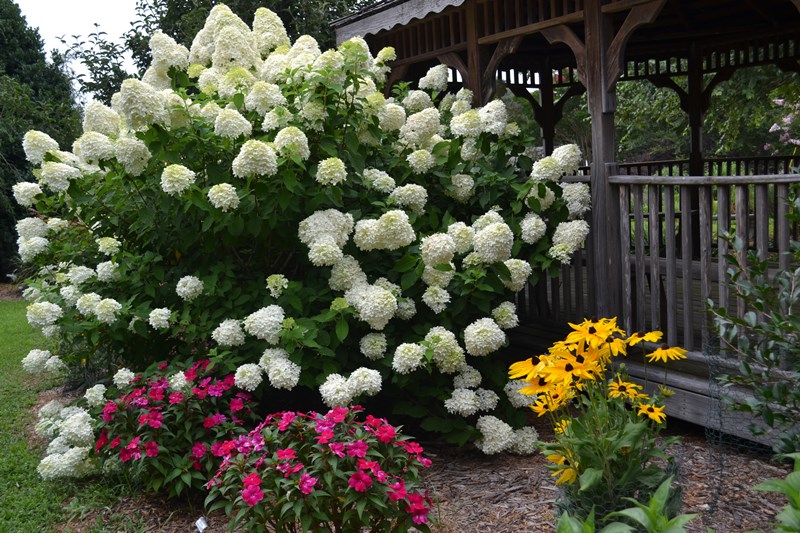
- Image 4: A single limelight hydrangea in a pot, showing the beautiful shape of the blooms and the dark green leaves.
- Image 5: A bouquet of limelight hydrangeas, showing the versatility of this flower in different arrangements.



Post a Comment for "Limelight Hydrangea: The Showstopper Shrub That Will Bloom All Summer Long"